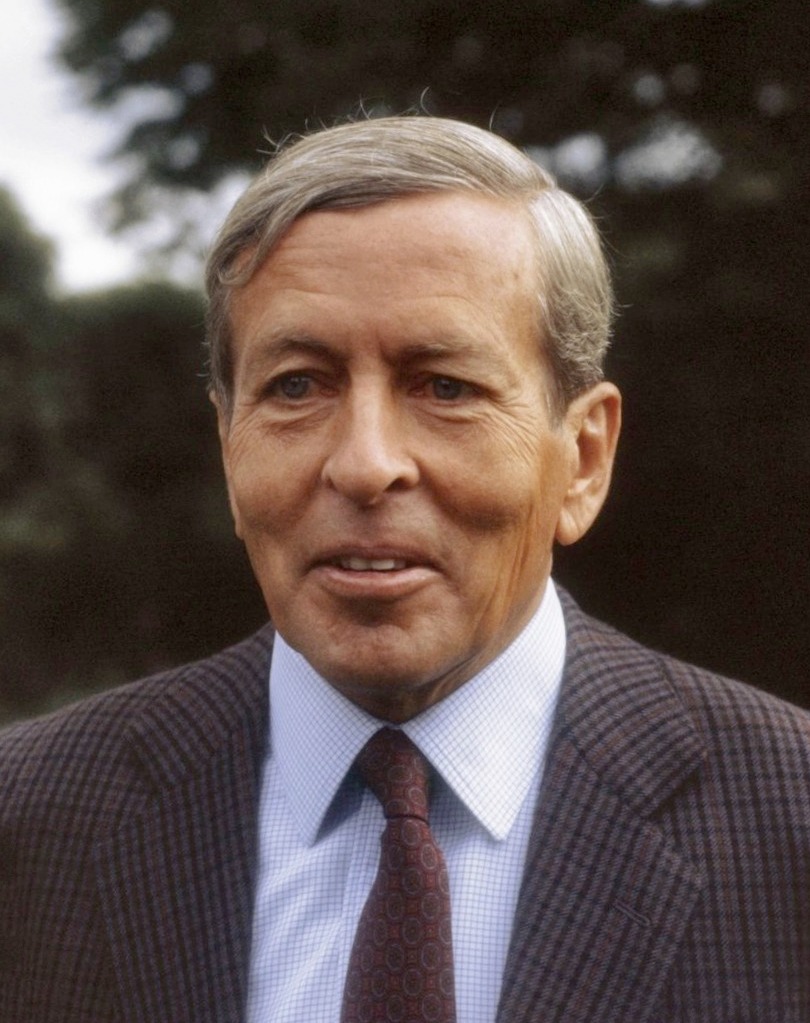
The Final Chapter: Prins Claus's Battle with Illness and Last Moments
The passing of a public figure often leaves a void, but few departures have resonated with the Dutch nation as deeply as that of Prins Claus der Nederlanden. On October 6, 2002, at the age of 76, the beloved husband of then-Queen Beatrix succumbed to a long and arduous battle with various illnesses. His death marked not just the end of a life, but the culmination of years of quiet suffering and, paradoxically, a period during which he transformed from a perceived outsider into one of the most cherished members of the Dutch Royal House. Understanding the Datum Overlijden Prins Claus (Date of Death Prins Claus) requires a look back at the immense health challenges he faced and the profound impact he had on a nation.
A Long and Arduous Battle: Prins Claus's Health Journey
Prins Claus's life, particularly his later years, was shadowed by significant health struggles that he faced with remarkable resilience and an openness that endeared him to many. His medical history painted a picture of a man constantly fighting against various ailments, each taking its toll.
- Depression: Starting in 1982, Prins Claus was diagnosed with severe depression. This was a particularly challenging period, as mental health issues carried a stronger stigma in those days, especially for public figures. He sought treatment in both Dutch and Swiss clinics, often having to miss official engagements. His willingness to address his struggles, however, became a testament to his character and a pioneering act in a royal context.
- Parkinson's Disease: In 1991, he received a diagnosis of Parkinson's disease, a progressive neurological disorder that gradually impairs movement and balance. This added another layer of physical challenge to his existing mental health battles, further limiting his public activities.
- Prostate Cancer: A few years after his Parkinson's diagnosis, Prins Claus faced yet another serious illness: prostate cancer, for which he also underwent treatment.
- Cardiovascular and Respiratory Issues: Throughout his later years, Prins Claus also contended with persistent heart problems, including lung embolisms and other cardiovascular complaints, for which he underwent a balloon angioplasty. His respiratory system, in particular, became a recurring point of concern, leading to several hospital admissions.
These chronic conditions, often intertwined and exacerbating one another, meant that Prins Claus lived with constant physical and mental strain. Despite this, he often displayed an incredible fortitude, pushing through discomfort to fulfill his duties whenever possible. It's a poignant reminder that even those in positions of privilege are not immune to profound personal battles, and his candidness about his health struggles ultimately humanized him in the eyes of the public. It provided a powerful example of how one can face adversity with grace, offering an unspoken lesson on resilience and the importance of addressing both physical and mental well-being.
From Reluctant Royal to Beloved Icon: A Public Transformation
For many years, Prins Claus was often perceived as a somewhat tragic and quiet figure, existing in the formidable shadow of his dynamic wife, Queen Beatrix. However, the latter part of his life witnessed a remarkable transformation in his public image, turning him into arguably the most popular member of the Dutch Royal House. This shift wasn't due to grand gestures, but rather a series of authentic moments that revealed his true character.
One of the most memorable instances occurred in 1998, during a lecture where he dramatically removed his tie as a protest against the stifling formality of royal life. This symbolic act resonated deeply with the public, who saw it as a defiant rejection of the "strakke keurslijf" (tight corset) of royal protocol. It was an unexpected moment of rebellion that showcased his frustration but also his desire for genuine connection beyond the rigid confines of his position.
Beyond this iconic gesture, it was Prins Claus's genuine human qualities that truly cemented his place in the hearts of the Dutch people. His sincere involvement with Africa, where he championed cultural development and sustainable initiatives, highlighted his profound empathy and commitment to global issues. His intellect, combined with a sharp wit and a self-deprecating humor, shone through in various interviews and public appearances. These candid moments, where he spoke openly about his struggles and passions, presented an image of an integere (sincere) and sympathetic man. He was seen as someone who, despite his royal title, faced very human challenges, making him incredibly relatable.
His transformation underscores the power of authenticity. Rather than trying to fit a mold, Prins Claus allowed his true self—vulnerable, intellectual, and deeply caring—to emerge. This resonated deeply with a public tired of conventional royal formality, turning him into a symbol of integrity and resilience. His journey from an initially perceived outsider to a universally beloved figure is a testament to the fact that genuine character, even amidst personal struggles, can captivate and inspire. To learn more about his evolving public persona, consider reading Prins Claus: The Royal Who Transformed His Image and Legacy.
The Final Chapter: Leading Up to October 6, 2002
The final year of Prins Claus's life was marked by increasing frailty, yet he managed one last significant public appearance that would remain etched in the nation's memory. On February 2, 2002, he attended the wedding of his eldest son, Prins Willem-Alexander, to Princess Máxima. Despite his visible weakness, his presence was a powerful symbol of family unity and determination. He watched proudly as his son embarked on a new chapter, his frail figure a stark reminder of his ongoing health battle, yet his spirit seemingly undiminished.
Following the wedding, his health continued to decline. The summer of 2002 saw him hospitalized repeatedly. He was admitted on July 21 due to complications from respiratory problems, struggling to recover. After a brief period where he was able to celebrate his 76th birthday at home on September 6, he was readmitted to the Academic Medical Center (AMC) in Amsterdam on Prinsjesdag (Prince's Day), September 17. This time, the admission was due to a severe respiratory infection, which would ultimately prove to be his last.
For almost three weeks, Prins Claus remained in the hospital. The cumulative effect of Parkinson's disease, combined with a severe case of pneumonia, finally overwhelmed his weakened system. On the evening of October 6, 2002, at 7:00 PM, Prins Claus der Nederlanden passed away. He was not alone. At his bedside were his wife, Queen Beatrix, and all three of their sons: Willem-Alexander, Johan Friso, and Constantijn. His daughters-in-law, Princesses Máxima and Laurentien, were also present, offering comfort and support in his final moments.
The news was swiftly communicated to the nation. Prime Minister Jan Peter Balkenende addressed the country shortly after 9:30 PM, delivering a somber speech that honored the prince's life and legacy. The following day, Prins Claus's body was transported from the AMC to Paleis Huis ten Bosch in The Hague, where he would lie in state for several days, allowing close family to mourn privately. The Royal House declared a period of official mourning (hofrouw) until the day of his interment. Preparations for the funeral were extensive, typically requiring eight to ten days between passing and burial, to organize a state funeral befitting a royal consort. He was eventually laid to rest in the royal crypt in the Nieuwe Kerk in Delft, joining a long line of Dutch monarchs and their consorts.
A Lasting Legacy: Beyond His Final Breath
While his later years were marked by illness, Prins Claus also experienced periods of immense personal happiness, particularly during the early years of his marriage to Beatrix. They often described their time at Kasteel Drakensteyn in Lage Vuursche, raising their three young sons, as their happiest years. This period of relative normalcy and family life provided a strong foundation before the immense responsibilities that came with Beatrix's accession to the throne in 1980, which necessitated their move to Paleis Huis ten Bosch in Den Haag.
Beyond his immediate family, Prins Claus left an indelible mark through his philanthropic work. In 1996, to commemorate his 70th birthday, the Dutch government established the Prins Claus Fund. This foundation, a tribute to his deep commitment to cultural development, annually awards the prestigious Prins Claus Prizes. These prizes recognize individuals and organizations in Africa, Asia, Latin America, and the Caribbean who are making significant contributions to culture and development in their regions. Prins Claus himself personally presented these awards until his death, a duty that was then honorably taken over by his sons, Friso and Constantijn, ensuring his vision continued.
His legacy extends beyond institutional philanthropy. Prins Claus redefined what it meant to be a royal consort in the modern era. He brought a sense of humanity, intellect, and vulnerability to the role, demonstrating that openness about one's struggles could foster connection rather than diminish respect. His genuine interest in global development, his intellectual curiosity, and his unwavering integrity ensured that he would be remembered not just as a prince, but as a sensitive, thoughtful, and deeply compassionate man. His journey reminds us that true influence often comes from authenticity and a willingness to engage with the world's complexities. For a deeper dive into his enduring impact, explore Prins Claus Remembered: Life, Legacy, and His Passing on Oct 6, 2002.
The Datum Overlijden Prins Claus, October 6, 2002, marked the end of a life lived with courage, compassion, and a profound sense of duty. His battle with illness was long and challenging, but it never extinguished his spirit or his capacity to connect with people. He transformed the perception of royalty by simply being himself, leaving behind not just a fund in his name, but an enduring example of resilience, integrity, and the power of authenticity. Prins Claus will forever be remembered as a prince who truly found his voice, even in silence, and whose legacy continues to inspire.