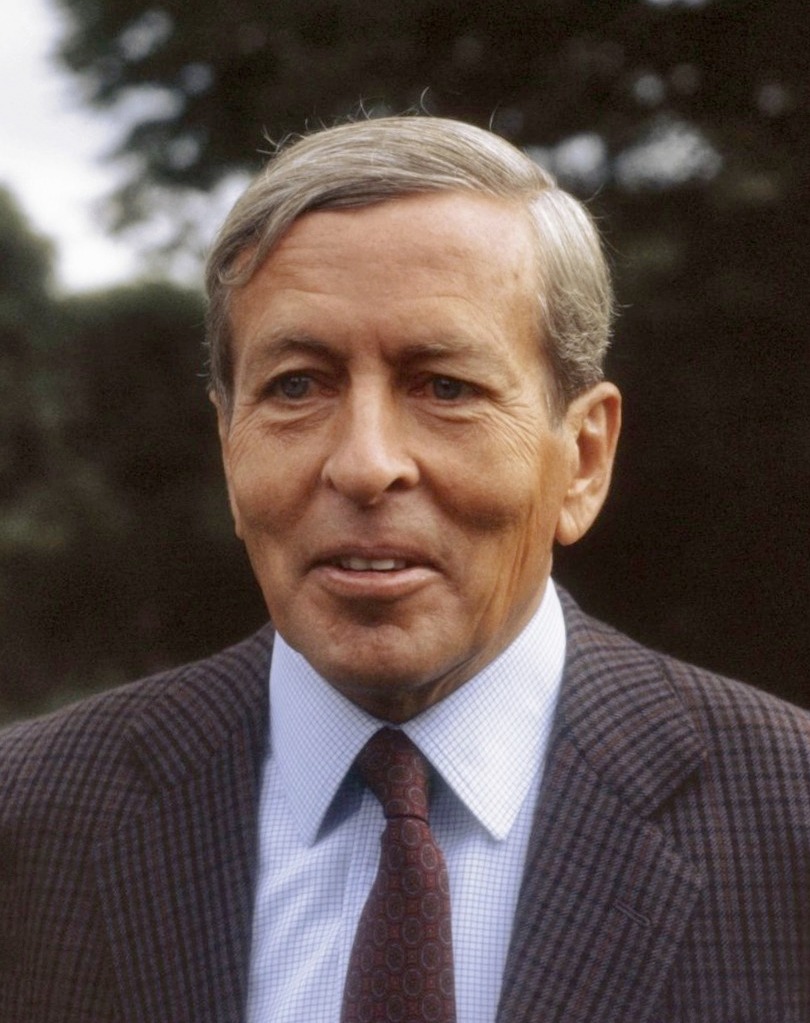
Prins Claus: From Reserved Consort to National Treasure
The story of Prins Claus der Nederlanden, husband to Queen Beatrix, is one of remarkable transformation. Initially perceived by some as a reserved, even melancholic figure living in the shadow of his powerful wife, Claus von Amsberg, a German diplomat by origin, ultimately endeared himself to the Dutch nation. His journey from a somewhat misunderstood royal consort to one of the most beloved members of the Royal House is a testament to his authenticity, vulnerability, and unwavering commitment to causes greater than himself. This article delves into how Prins Claus reshaped his public image, leaving an indelible mark on Dutch society and a legacy that continues to inspire.
The Early Years and Challenges of Royal Life
Born Claus George Willem Otto Frederik Geert von Amsberg in Germany in 1926, his marriage to the then-Princess Beatrix in 1966 was met with initial skepticism, primarily due to his German background so soon after World War II. However, over time, his sincerity and dedication began to win over the public. Prins Claus and Beatrix, by their own account, cherished their early years at Drakensteyn Castle in Lage Vuursche, raising their three sons – Willem-Alexander, Johan Friso, and Constantijn – away from the immediate glare of the Hague. This period offered a semblance of normal family life, a grounding experience before the full weight of the monarchy descended.
However, the demands and public scrutiny of royal life took a heavy toll. After Beatrix's inauguration as Queen in 1980, the family relocated to Huis ten Bosch Palace in The Hague, a move that coincided with a challenging period for the Prins.
The Battle Within: Health Challenges and Public Perception
Prins Claus’s life was marked by significant personal struggles, particularly concerning his health, which profoundly influenced his public perception. What began as a reserved demeanor was often misconstrued, masking deeper issues that would later come to light.
A Struggle with Depression and Physical Ailments
From 1982 onwards, Prins Claus openly battled severe depression, a condition for which he sought treatment in both Dutch and Swiss clinics. At a time when mental health was far less understood or openly discussed, his public acknowledgment of this struggle was groundbreaking for a royal figure. It often meant he had to miss official engagements, contributing to an image of a fragile, somewhat tragic individual struggling to cope with his royal duties.
Beyond mental health, Prins Claus faced a litany of physical ailments throughout his later life. In 1991, he was diagnosed with Parkinson's disease, a progressive neurological disorder that further weakened his health and limited his mobility. A few years later, he underwent treatment for prostate cancer. His health remained precarious, with subsequent hospitalizations for lung embolisms, heart problems (including angioplasty), and recurring respiratory infections. These challenges, though debilitating, also began to forge a deeper connection with the public, who witnessed his vulnerability and resilience. For more detailed insights into his final health battles, you might be interested in
The Final Chapter: Prins Claus's Battle with Illness and Last Moments.
A Royal Unbound: The Transformation of Public Image
Despite his profound health struggles, the latter part of Prins Claus's life saw an extraordinary transformation of his public image. From a figure of quiet suffering, he blossomed into the most popular member of the Dutch Royal House, celebrated for his authenticity, humor, and integrity.
Breaking Free from the "Straitjacket"
A pivotal moment in this transformation occurred in 1998, during a lecture he delivered. In a symbolic act of defiance against the perceived rigidity and formality of royal life, he famously removed his tie, proclaiming it a "straitjacket." This spontaneous gesture resonated deeply with the Dutch public, who saw it as an honest expression of frustration and a rejection of outdated protocol. It was a powerful statement that instantly humanized him, making him relatable to everyday citizens.
Humor, Humanity, and Heartfelt Engagement
Prins Claus's growing popularity was not merely due to this single act, but a culmination of several factors:
- His Humor: He possessed a dry wit and a keen sense of humor that often surfaced during public appearances, deflecting formality and creating a warmer atmosphere.
- Openhearted Interviews: He began to give more candid interviews, speaking openly about his struggles and feelings, which fostered a sense of empathy and trust.
- Genuine Concern for Africa: His heartfelt involvement with and commitment to development in Africa was widely admired. He wasn't just a figurehead; his passion for humanitarian causes was evident and sincere.
- Vulnerability: His willingness to show vulnerability, particularly regarding his depression and physical ailments, stripped away the aloofness often associated with royalty and revealed a deeply human individual.
This combination of candor, charm, and genuine engagement allowed Prins Claus to shed the image of a "tragic figure" and emerge as a sympathetic and honorable man, deeply connected to the people he served. He became a refreshing symbol of a modern monarchy that could be both dignified and approachable.
A Lasting Legacy: The Prins Claus Fonds and Final Farewell
Prins Claus's vision and passion extended beyond his lifetime, cementing a legacy that continues to impact countless lives. His final years, though marked by illness, were also a period where his contributions were celebrated and enshrined.
The Prins Claus Fonds: A Living Memorial
In 1996, on the occasion of his 70th birthday, the Dutch government established the Prins Claus Fonds (Prince Claus Fund). This institution was a fitting tribute to his deep commitment to culture and development, particularly in Africa, Asia, Latin America, and the Caribbean. The Fund annually awards the Prince Claus Prizes to individuals and organizations that actively stimulate cultural expression and development in these regions. Until his passing, Prins Claus personally presented these awards, a role later continued by his sons, Friso and Constantijn. The Fund stands as a vibrant, enduring testament to his belief in the power of culture to drive positive change and foster global understanding.
The Final Chapter: His Passing and National Mourning
The last time Prins Claus appeared publicly was a poignant moment: at the wedding of his eldest son, Prins Willem-Alexander, to Prinses Máxima on February 2, 2002. Frail but present, his attendance was a symbol of enduring family strength and a bittersweet farewell to public life.
His health continued to deteriorate rapidly in the months following. Prins Claus passed away on
Datum Overlijden Prins Claus: October 6, 2002, at 76 years old. He died at 7:00 PM in the Academic Medical Centre (AMC) in Amsterdam, succumbing to complications from Parkinson's disease and pneumonia. His final moments were spent surrounded by his immediate family: Queen Beatrix, his sons Willem-Alexander, Johan Friso, and Constantijn, along with his daughters-in-law, Princesses Máxima and Laurentien. This deeply personal loss was met with an outpouring of national grief and respect.
Prime Minister Jan Peter Balkenende addressed the nation shortly after, acknowledging the profound impact Prins Claus had made. The Prins had been hospitalized for nearly three weeks before his passing, having battled various health issues including lung infections, embolisms, and heart problems. His body was transported from the AMC to Huis ten Bosch Palace, where he lay in state for a period of private mourning by the royal family. The Royal House announced a period of court mourning until the day of his interment in the Royal Crypt in the Nieuwe Kerk in Delft. His funeral, a grand yet somber affair, took place a week after his passing, with preparations requiring significant time and care, reflecting his stature and the nation's profound respect. For more information about the events surrounding his passing, you can read
Prins Claus Remembered: Life, Legacy, and His Passing on Oct 6, 2002.
Remembering Prins Claus: A Human Royal's Enduring Impact
Prins Claus’s life journey is a powerful narrative of resilience, authenticity, and the transformative power of vulnerability. His willingness to openly address his struggles with depression and his defiant, yet charming, rejection of stifling royal protocol endeared him to a nation. He proved that true strength lies not in unwavering stoicism, but in the courage to be human.
His legacy extends far beyond his royal title. Through the Prins Claus Fonds, his passion for cultural development and global understanding continues to foster meaningful connections across continents. Prins Claus demonstrated how a royal consort could carve out a distinct and impactful role, using his platform to champion causes he deeply believed in and connect with people on a profoundly personal level. He remains an enduring figure in Dutch history, remembered as the royal who truly found his voice, transformed his image, and left behind a legacy of integrity, humor, and humanity.