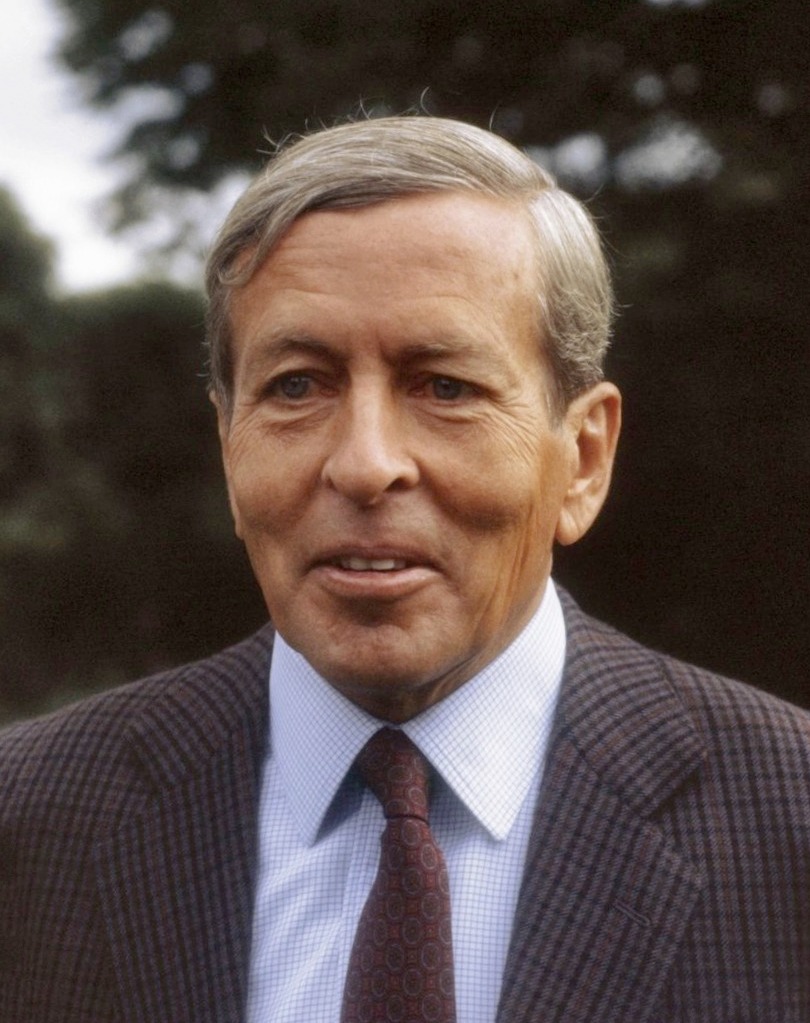
October 6, 2002, marked a day of profound national mourning for the Netherlands, as the beloved Prins Claus, husband of then-Queen Beatrix, passed away. His death, at the age of 76, left an indelible void in the hearts of many, but also solidified a legacy built on authenticity, resilience, and a deep commitment to humanity. Prins Claus, often remembered for his warmth, humor, and courageous vulnerability, transformed the image of a prince consort and left an enduring mark on Dutch society and beyond. This article delves into his remarkable life, the challenges he faced, his profound impact, and the circumstances surrounding his passing.
A Life of Service and Transformation: Who Was Prins Claus?
Born Claus von Amsberg in Germany in 1926, his path intertwined with the Dutch Royal House when he married Princess Beatrix in 1966. Their union, initially met with some controversy due to his German background post-WWII, blossomed into a loving partnership that produced three sons: Willem-Alexander, Johan Friso, and Constantijn. For many years, Prins Claus grappled with the intense public scrutiny and the often rigid conventions of royal life. He famously described the role of a prince consort as being "always on standby," a sentiment that highlighted the pressures he faced.
However, what truly defined Prins Claus was his extraordinary ability to transcend these initial difficulties and transform his public image. From a somewhat reserved figure, he evolved into arguably the most popular member of the Royal House in his later years. This shift was largely attributed to his remarkable authenticity and willingness to be vulnerable. Iconic moments, such as his spontaneous act of removing his tie during a 1998 lecture as a protest against societal constraints, captivated the nation. This gesture resonated deeply, symbolizing a breaking free from the symbolic "straitjacket" of royal protocol and a championing of genuine expression. His candid humor, his evident integrity, and his openheartedness in interviews further solidified his place in the public's affection, painting a picture of a sympathetic and honest individual. Discover more about how Prins Claus transformed his image and legacy.
Beyond his personal charisma, Prins Claus also made significant contributions through his genuine involvement in various causes. His heartfelt dedication to Africa and development issues was particularly notable, showcasing a profound commitment that went beyond ceremonial duties. He proved that even within the confines of royalty, one could foster deep connections and advocate for meaningful change, laying the groundwork for a more modern and relatable monarchy.
Overcoming Adversity: Prins Claus's Health Battles
Prins Claus's life, despite its public service and moments of triumph, was also marked by significant health challenges that he faced with remarkable courage and openness. These struggles, far from diminishing his public standing, often enhanced the public's empathy and respect for him, humanizing the monarchy in an unprecedented way.
Early Struggles with Depression
The pressures of his role began to take a heavy toll in the early 1980s, following Queen Beatrix's ascension to the throne in 1980 and the family's subsequent move to Huis ten Bosch Palace in The Hague. By 1982, Prins Claus was diagnosed with depression, a condition for which he sought treatment in clinics in both the Netherlands and Switzerland. His public acknowledgement of his mental health struggles was remarkably progressive for a royal figure of his era. It not only brought much-needed attention to mental health issues but also allowed the public to connect with him on a deeply personal level, understanding the immense personal toll that public life could exact.
A Series of Physical Ailments
As the years progressed, Prins Claus's physical health also began to decline significantly. In 1991, he received a diagnosis of Parkinson's disease, a chronic and progressive neurological condition that gradually impacts movement and coordination. This was followed by treatment for prostate cancer a few years later. His health remained fragile, necessitating frequent medical attention and often requiring him to miss official engagements. He battled numerous other conditions, including lung embolisms and heart problems, for which he underwent procedures such as angioplasty. His resilience in the face of these compounding illnesses was a testament to his strength of character.
One of his final major public appearances, a testament to his unwavering dedication, was at the wedding of his eldest son, Prince Willem-Alexander, and Princess Máxima on February 2, 2002. Despite his visibly weakened state, he attended the joyous occasion, offering a poignant image of a father's love and commitment, just months before his passing.
The Legacy Beyond Life: The Prins Claus Fund and Enduring Impact
Prins Claus's legacy extends far beyond his personal charisma and the humanizing effect he had on the monarchy. His deep-seated commitment to cultural development and international cooperation crystallized into a lasting institution: the Prins Claus Fund.
Founding of the Prins Claus Fund
In 1996, on the occasion of his 70th birthday, the Dutch government established the Prins Claus Fund in his honor. This was more than a ceremonial gesture; it was a reflection of his profound personal interests and passions. The Fund's mission is to support and promote culture and development in countries across Africa, Asia, Latin America, and the Caribbean. It does this by annually awarding the prestigious Prins Claus Prizes to individuals or organizations who make outstanding contributions in these fields, often in challenging circumstances where cultural expression is under threat.
Until his death, Prins Claus himself proudly presented these awards, engaging personally with the laureates and embodying the spirit of cultural diplomacy and appreciation. After his passing, his sons, Prince Friso and Prince Constantijn, continued this important tradition, ensuring the continuity of his vision and keeping his legacy vibrant. The Fund is a living testament to his belief in the power of culture as a catalyst for social change and development.
Enduring Influence and Modern Monarchy
Prins Claus's impact on the Dutch monarchy and public perception was profound. He demonstrated that royalty could be both dignified and deeply human, authentic, and vulnerable. His openness about his struggles with depression and physical illness helped to destigmatize these conditions, fostering a greater sense of understanding and empathy within society. His example encouraged a shift towards a more transparent and relatable royal house, a model that continues to influence the Dutch monarchy today.
Moreover, his unwavering commitment to global development and cultural exchange through the Prins Claus Fund highlighted the potential for soft power and cultural diplomacy. He understood that fostering understanding and appreciation across different cultures was vital for a peaceful and prosperous world, a principle that remains highly relevant in contemporary international relations. His legacy reminds us that true leadership often lies in genuine connection and an unyielding commitment to the well-being of others, irrespective of their background or location.
The Final Chapter: Prins Claus's Passing on October 6, 2002
The final weeks of Prins Claus's life were marked by a prolonged and courageous battle with severe health complications, culminating in his peaceful passing. The precise Datum Overlijden Prins Claus was October 6, 2002, a date etched into the collective memory of the Netherlands.
The Last Weeks and Final Moments
Prins Claus had been in and out of the hospital for much of the preceding year. His health had been steadily declining due to the advanced stages of Parkinson's disease, compounded by heart problems, lung embolisms, and recurring respiratory infections. In the weeks leading up to his death, he was admitted to the Academic Medical Center (AMC) in Amsterdam, having been hospitalized since Prinsjesdag (Prince's Day) on September 17 due to a severe respiratory infection. He had previously been hospitalized in July for similar issues and had only recently celebrated his 76th birthday at home before his final admission.
On the evening of October 6, 2002, at approximately 7:00 PM, Prins Claus der Nederlanden passed away at the AMC, surrounded by his immediate family. Queen Beatrix and their three sons—Willem-Alexander, Johan Friso, and Constantijn—were by his bedside in his final moments. Also present were his daughters-in-law, Princess Máxima and Princess Laurentien, underscoring the deep family bond that characterized his life. The official cause of death was attributed to complications arising from Parkinson's disease and pneumonia, a severe lung infection that his weakened body could no longer fight. For a more detailed account of Prins Claus's battle with illness and his final moments, delve into this article.
National Mourning and Funeral Preparations
News of Prins Claus's death was met with an outpouring of grief across the Netherlands. Shortly after his passing, Prime Minister Jan Peter Balkenende addressed the nation via radio and television, offering a heartfelt tribute to the prince consort, recognizing his unique contribution and the deep affection he had garnered. The Royal House declared a period of official mourning, known as 'hofrouw,' which lasted until the day of his interment.
The prince consort's body was transferred from the AMC to Paleis Huis ten Bosch, his family residence, where he lay in state for a few days, allowing close family to pay their respects. Extensive preparations immediately began for his state funeral. The funeral was eventually held on October 15, 2002, following the royal protocol of allowing eight to ten days between death and burial due to the numerous arrangements required. Prins Claus was laid to rest in the royal crypt in the Nieuwe Kerk (New Church) in Delft, joining a long line of Dutch monarchs and their consorts. The solemn ceremony was a final testament to a life well-lived and deeply cherished.
Conclusion
Prins Claus's life, marked by his marriage into the Dutch Royal Family, his personal struggles with health, and his unwavering commitment to public service, represents a truly unique chapter in the history of the Dutch monarchy. His enduring legacy is not just about the institutions he inspired, like the Prins Claus Fund, but also about the profound human connection he forged with the people he served. He taught a nation that authenticity, vulnerability, and a genuine passion for humanity could redefine the role of royalty. Though he passed away on October 6, 2002, his spirit, characterized by integrity, humor, and a pioneering openness, continues to resonate, reminding us of the lasting power of a life lived with courage and compassion. His memory lives on as an inspiration, a royal who truly understood and connected with the human experience.